

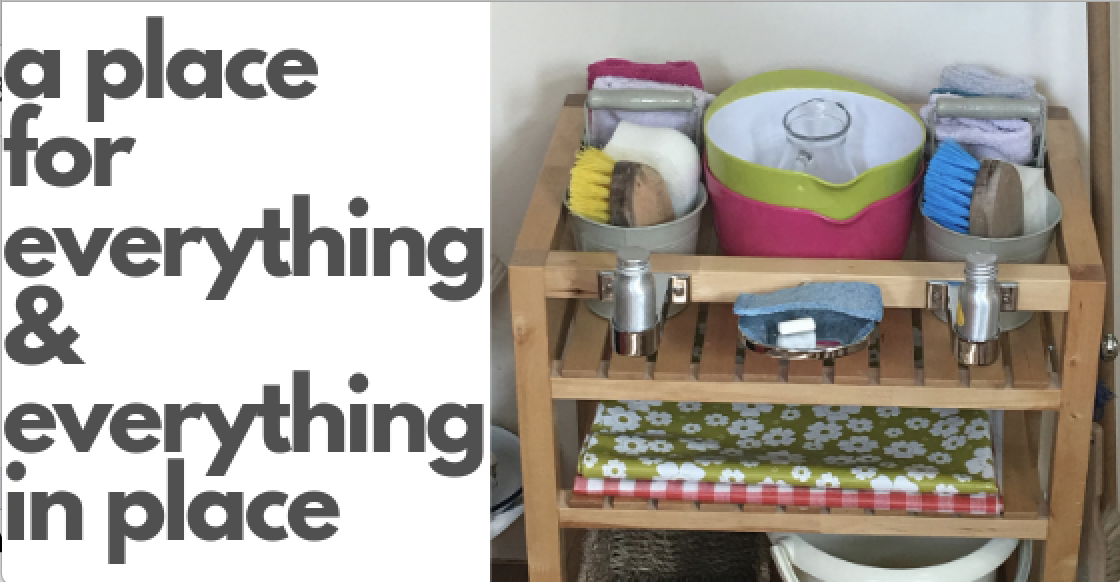
A place for everything and everything in place
How often do we hear parents remarking on how ‘like sponges’ their young children are? Scientists confirm that the first six years of children’s lives are the most important period in their entire existence.
This is the time they are soaking up their surroundings, through their senses, without any effort.
It is believed that children develop as much as 85 percent of their basic brain structure by the time they are five and that they build on this foundation for the rest of their lives. Sadly, it is reported that today, five-year olds get to school and are not school ready. Parents can be oblivious to the importance of educating their young ones during the first five years of life.
Dr Maria Montessori called this amazing period ‘the absorbent mind’.
This is the reason we, as parents, must give our children the best possible start in life, by providing a learning environment that meets their needs. Dr Montessori spoke about the ‘prepared environment’ – an environment that is designed to meet the needs of the children at every stage of their development.
How can I help my child at home?
We need to provide a calm, ordered environment which offers plenty of room for movement and exploration. Movement is essential to the development of the brain.
Dr Montessori believed in ‘a place for everything and everything in its place’. This way your child is able to find what he or she needs easily. Young children are sensitive to order and will enjoy returning materials back to their place.
Toy boxes are a definite no no. Your child is not going to be able to find the item he wants among the clutter of toys stuffed in his toy box. Set up low, open shelves. Puzzles, lego, art/creative activities and other toys can be placed separately on trays or in baskets little hands can carry easily.
Gently and consistently remind your child to return ‘work’ to its correct place on the shelf. Children between the ages of one and three don’t need much encouragement to return their ‘work’ to its place, just a little prompting at times. Finishing with one activity is important before going on to the next and a gentle reminder here may also be necessary. Limit the number of things you put out and swap these for different toys when you think your child needs a change. Observe your child’s interests, so that you know what to exchange and what to leave.
A child-sized table and chair are a must for working with materials. A mat that can be rolled easily and returned to a specific place is good for demarcating a working space on the floor.
Kathy Bennett
Montessori Partnership Tutor