
Under the Sea
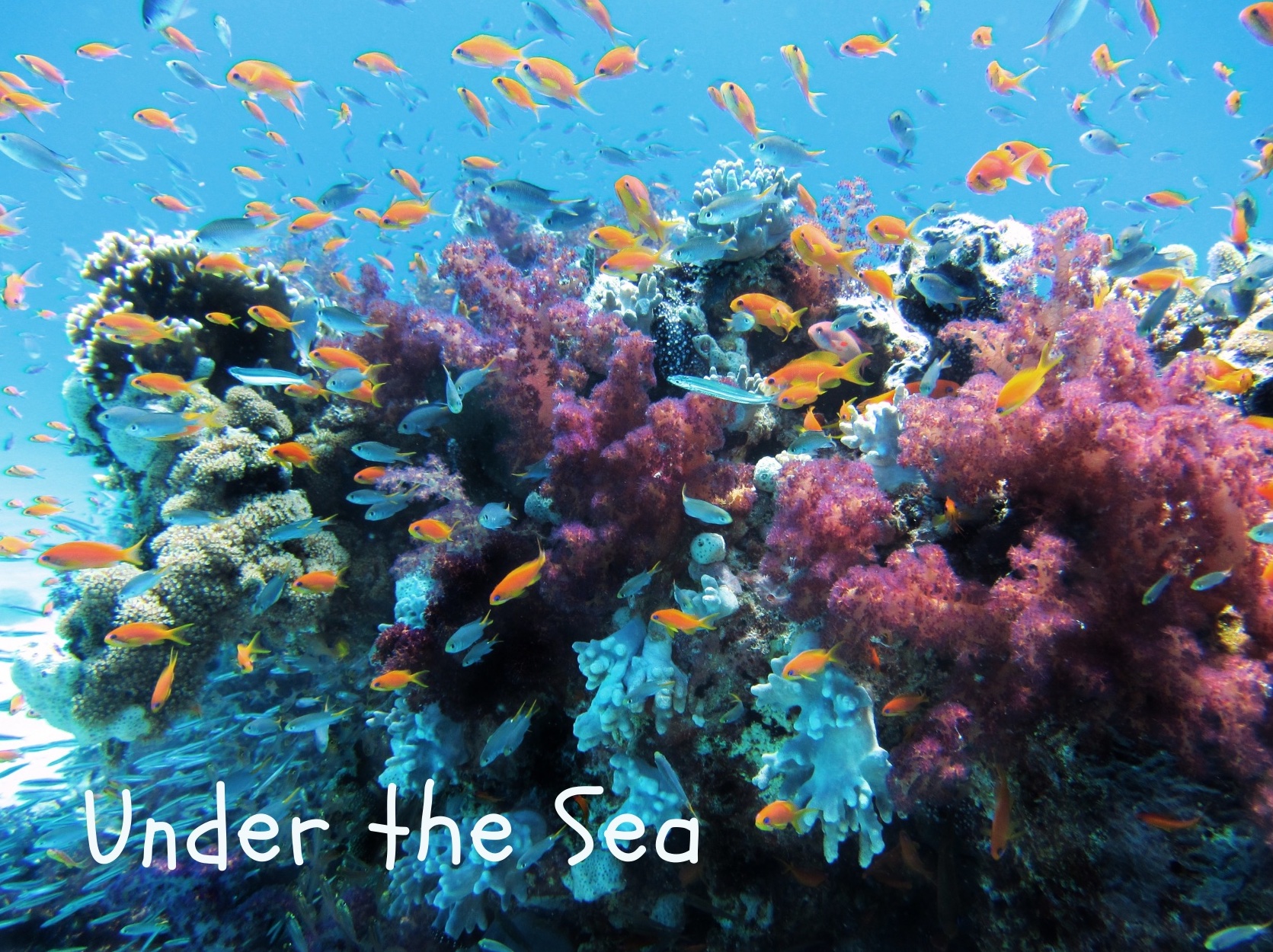
For the children coming back to nursery after all the excitement of Christmas we like to have something new and different planned to capture their interest and fire their imaginations. And this term particularly, with all the uncertainty that Covid-19 is still causing, we definitely need something big to focus on, something constant and fascinating, so we’re going down, under the sea!
As an on-going topic the theme of ‘Under the Sea’ is a great springboard for many activities that support the children’s learning in line with the curriculum objectives of the Early Years Foundation Stage (EYFS) and in particular its fourth overarching principle, that ‘children develop and learn in different ways and at different rates’, a principle that lies at the heart of our Montessori approach.
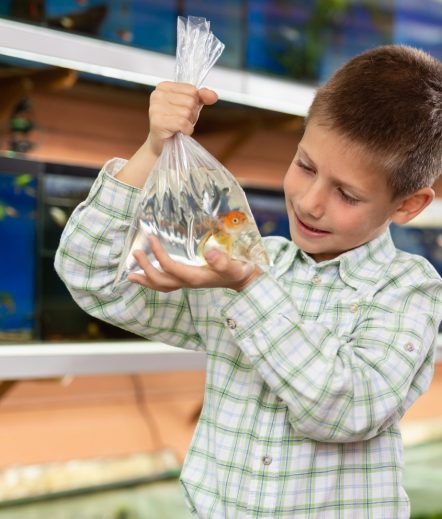
A topic based on a strong theme which gives rise to a wide variety of inter-connected activities like ‘Under the Sea’ offers many ways to focus on the three prime areas of learning and development identified in the EYFS: communication and language; physical development; and personal, social and emotional development. For example, learning to care for the fish and the fish tank offers scope for learning and development in all three of the prime areas.

Our planned activities additionally fulfil the requirements of the four other EYFS areas of learning and development, for example, under expressive arts and design, we have lots of art and craft activities planned, involving printing, collage, painting and constructing; in mathematics, sorting and counting shells will develop and consolidate children’s counting skills; all aspects of our theme will extend the children’s understanding of the world; and our work planned to develop their literacy includes a themed I-spy game, loads of sea-based songs and rhymes so they can experience the rhythm and musicality of our language, and ‘under the sea bingo’ and a range of great stories to extend their vocabulary and expose them to the richness of the language.
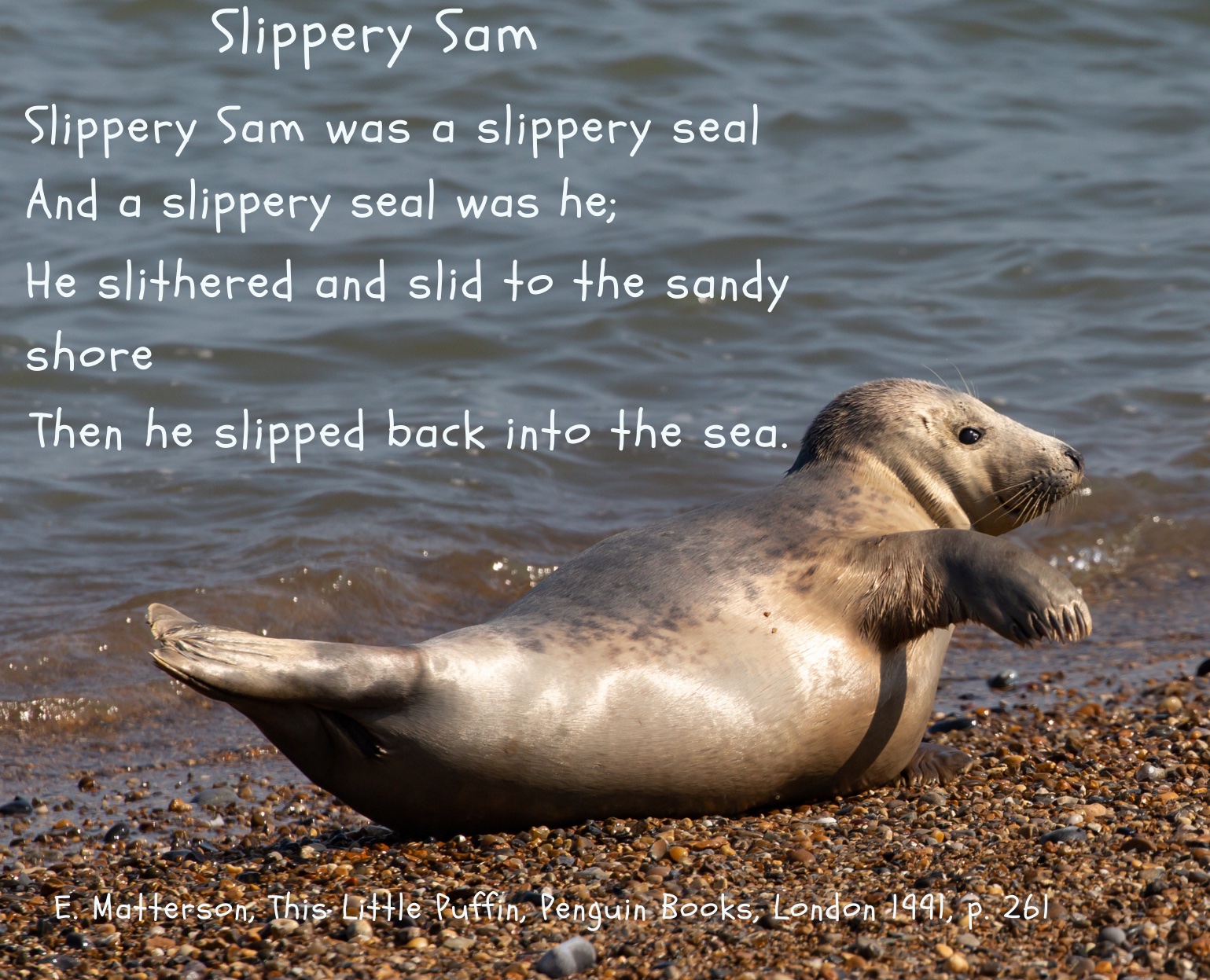
Here’s a little poem you could share at home. It’s very short, but it gives a vivid word-picture of the seal using new vocabulary – slippery, slithered, seal and shore. And all those ‘s’ sounds prepare the children’s ears to listen out for and become familiar with the sound of the letter s that they’ll soon be learning to recognise and write. Added to this are the strong rhythm of the poem and its rhyme which are both great for laying a foundation for literacy, and for getting the children’s imaginations working from just hearing the words.
We’ve got a great range of stories that tie into our theme as well – here are just three of our favourites!
