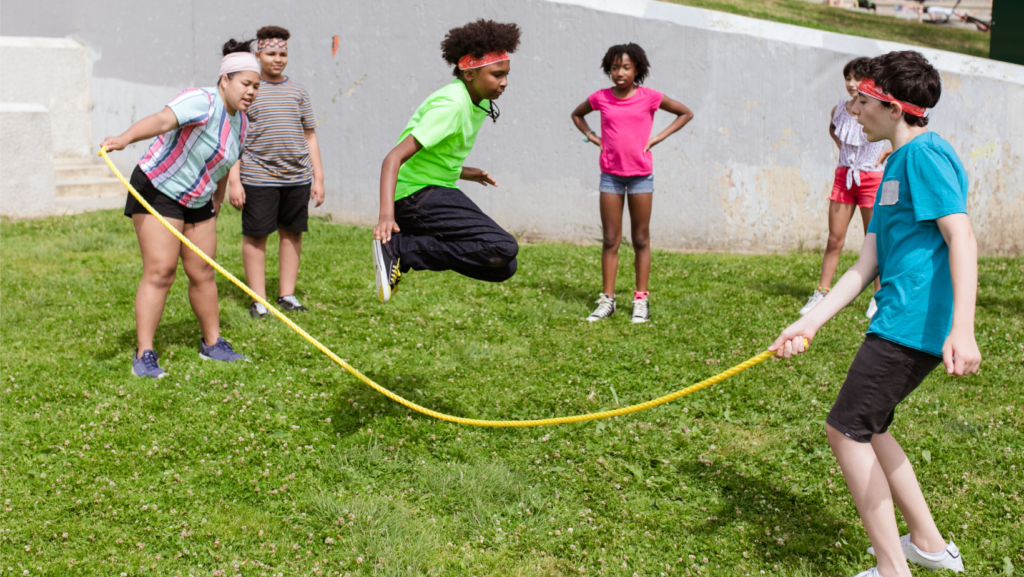

Boredom is good for children
After all the excitement of holidays children have to settle back into a normal routine, and sometimes this isn’t easy. After lots of family time spent with them it’s not unusual for them to complain of being bored and start demanding and expecting instant and continuous attention.
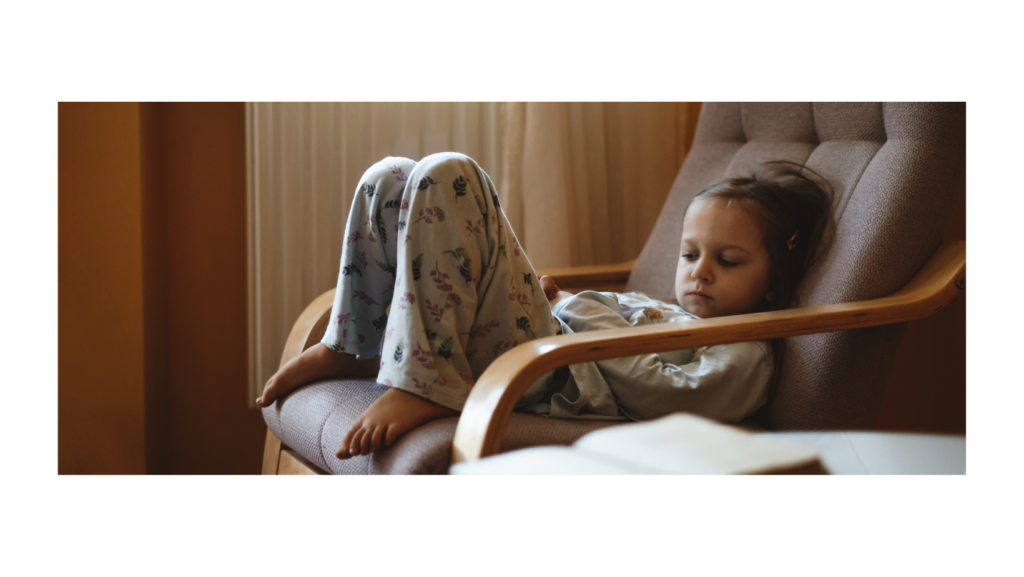
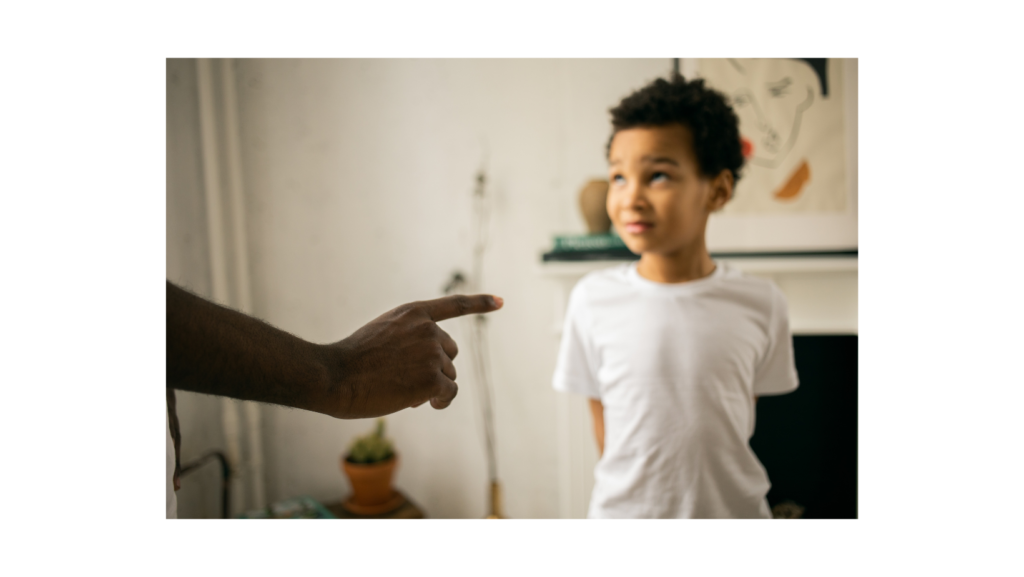
For you as parents this can be stressful, having to put up with constant complaints or unacceptable behaviour that gives the strong message, ‘I’m bored’, ‘There’s nothing to do’, ‘I don’t want to play with any of these toys…’
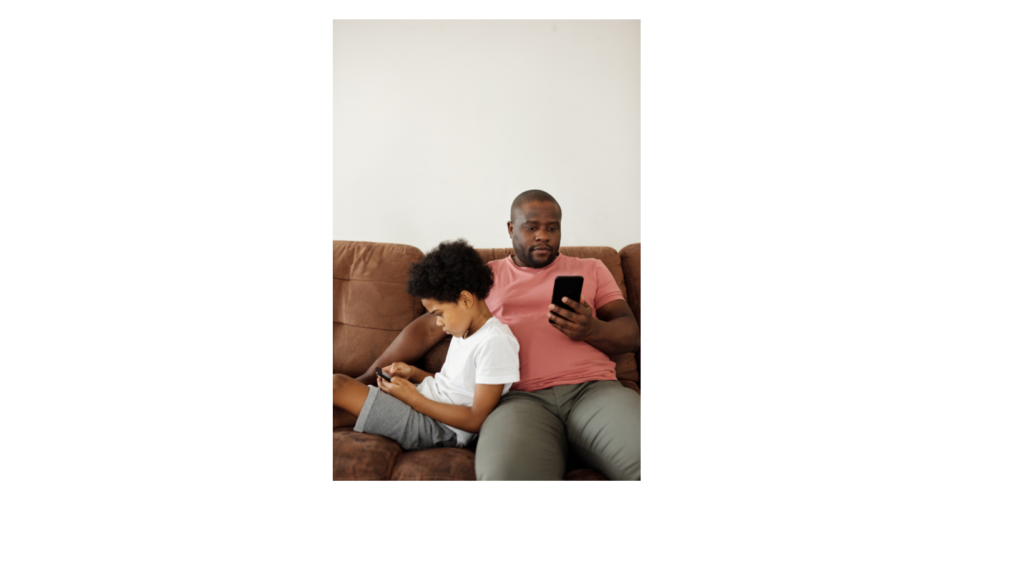
Often boredom kicks in when have loads of other things on your plate. You don’t want your children to be bored, yet you don’t have time to do anything special with them, so your reaction is to to try to stave off the boredom and keep them entertained. Here ‘entertained’ is the key word, like getting them to watch TV or do something on your phone. But remember – movement is crucial to children’s learning. It’s not helpful for their development to get used to relying on adults always to keep them occupied and amused because this ends up as a passive situation, where the children are neither initiating nor leading the activity, and often they’re not making deliberate and purposeful movements of their whole body.
Now and then it’s actually good for children to experience being bored and for them to be left to their own devices to deal with this feeling. They need to develop the habit of resolving their problem of ‘What can we find to do?’ by themselves, because this is what triggers their imaginations and gets them busy inventing and directing their own play, using objects and props that they find around them without relying on adults.
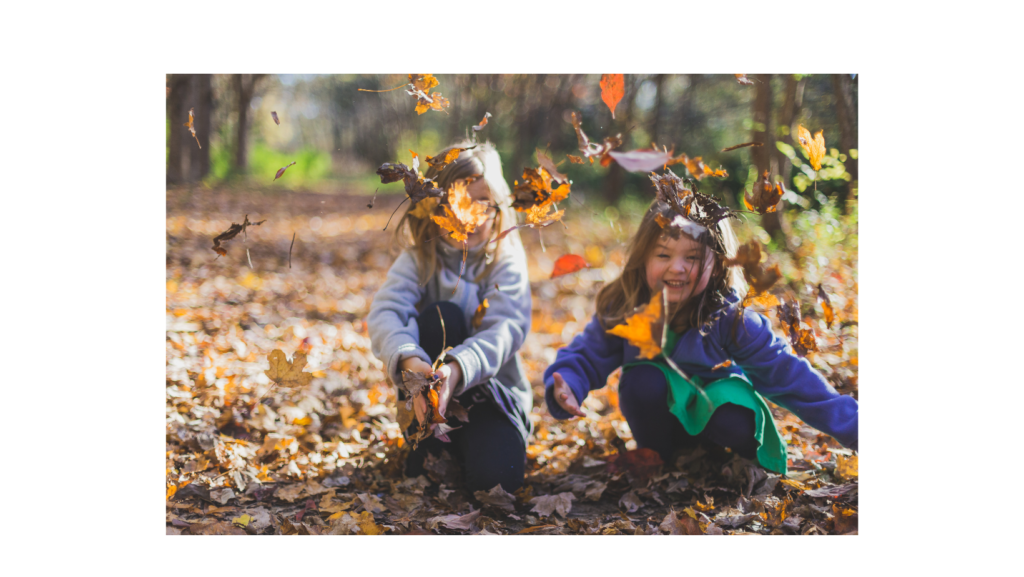
Their use of their imagination in this way is very creative, and it is crucial to children’s overall development. But research indicates that modern children are becoming less creative than those of previous generations. Is this because they are much less free to create their own play and develop their own resources for playing than previous generations? Is it because these days adults supervise children much more closely, timetabling almost every moment of their day, so they have hardly any time left to be bored? With so much organised, digital entertainment available on tap, and parents often feeling guilty if their children are bored, it’s not surprising that boredom is almost a thing of the past.
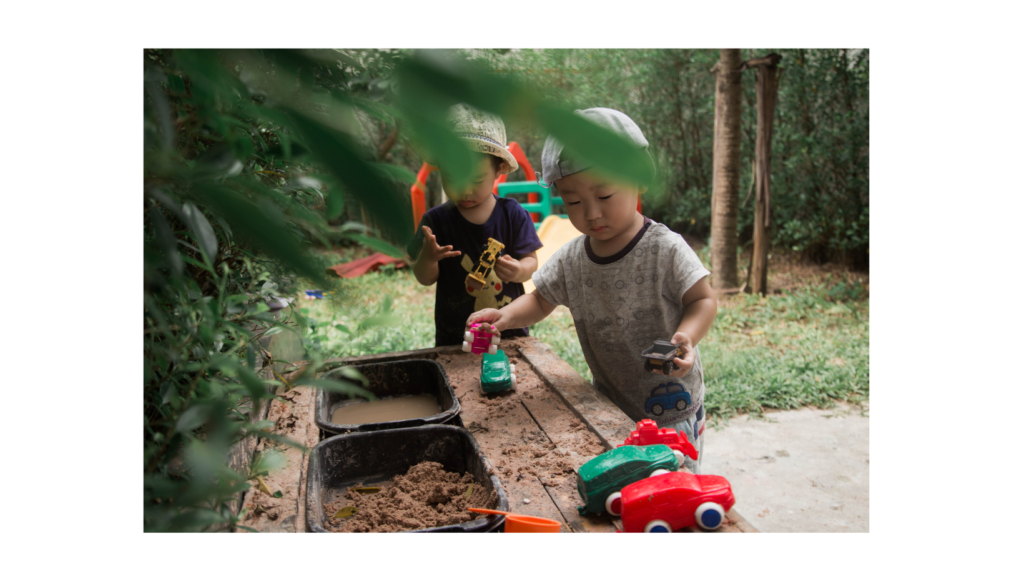
But being bored drives children to identify problems, find solutions, to plan, communicate, negotiate and take action, building crucial social skills as they do so. Identifying shared goals and collaborating to achieve them to alleviate boredom prepares children for the challenges of adult life. And even if they’re not with friends, being bored encourages them to come up with creative ideas of what to do. But they do need time to be bored, so, let’s just let them get on with it!