
Learning to Choose

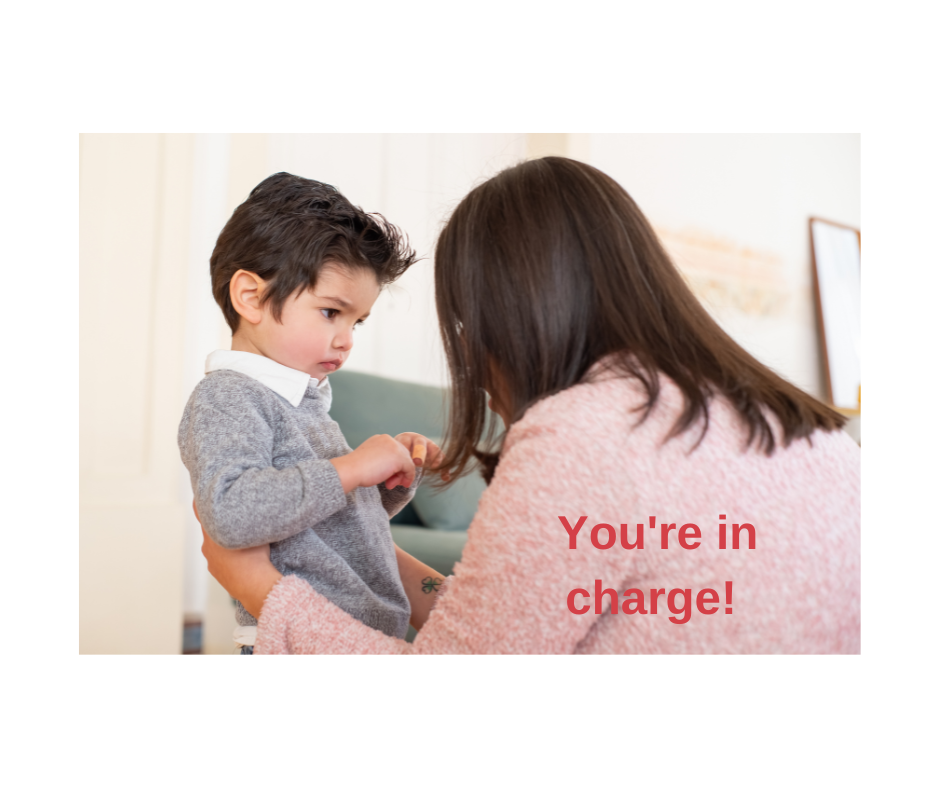
Modern life is characterised by having to choose, and in some circumstances, specially on-line shopping, the amount of choice out there can be mind-boggling. But if you get overwhelmed by having too much choice, this is definitely true for children as well. However, as adults we’re mostly good at choosing, and although sometimes we do make bad choices, we weigh up the pros and cons of a choice and we try and think through what the consequences might be. Can small children do this? Absolutely not! But why not?

Children in what Montessori referred to as the ‘first plane of development’, from birth to around 6, live in the real world of their known surroundings and the reality of their own experience. They have a hazy understanding of time, they can’t yet think about the future with any degree of clarity, and they don’t yet have the ability for abstract visualisation or logical thinking.
Here are some ways to help children learn to make choices

Start with very limited options, for example, ‘Are you going to do this puzzle or play with the doll’s house?’ Or if your child wants to choose what to wear, don’t give her access to the whole wardrobe! Choose two outfits, either of which you think would be OK and let her choose, either this one, or this one.
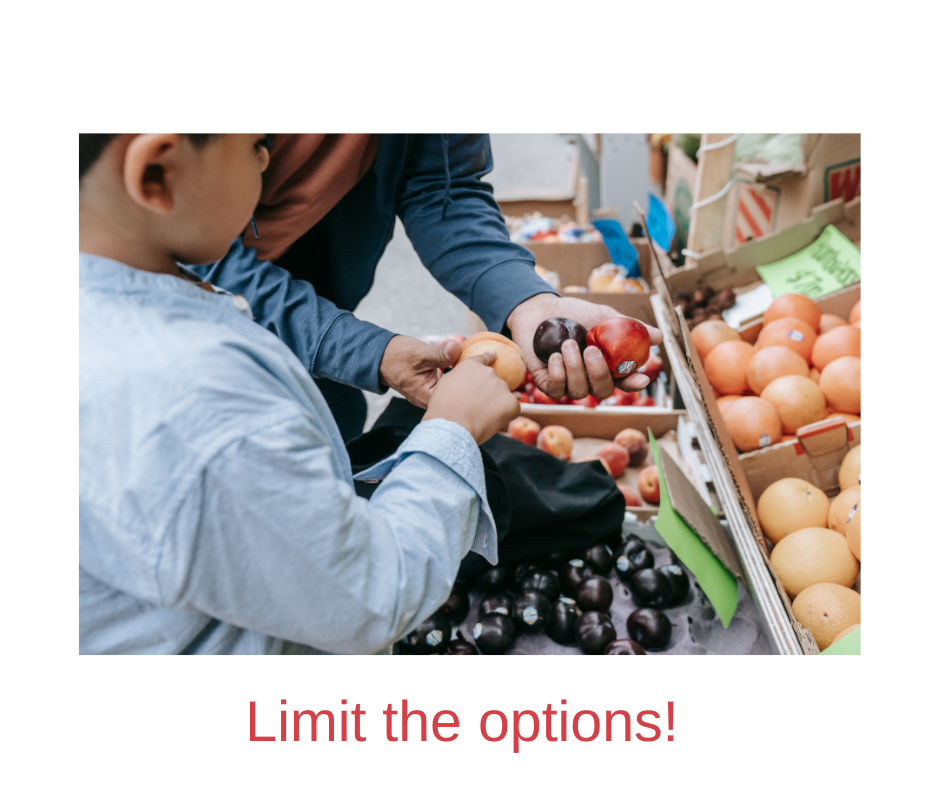
Respect the choice she makes and don’t try to talk her out of it. If you’ve pre-approved the options it’s not difficult to respect the choice. But watch you don’t get drawn into negotiations about other options at this early stage in the process. Be firm. ‘It’s either this outfit or that one. You are choosing.’
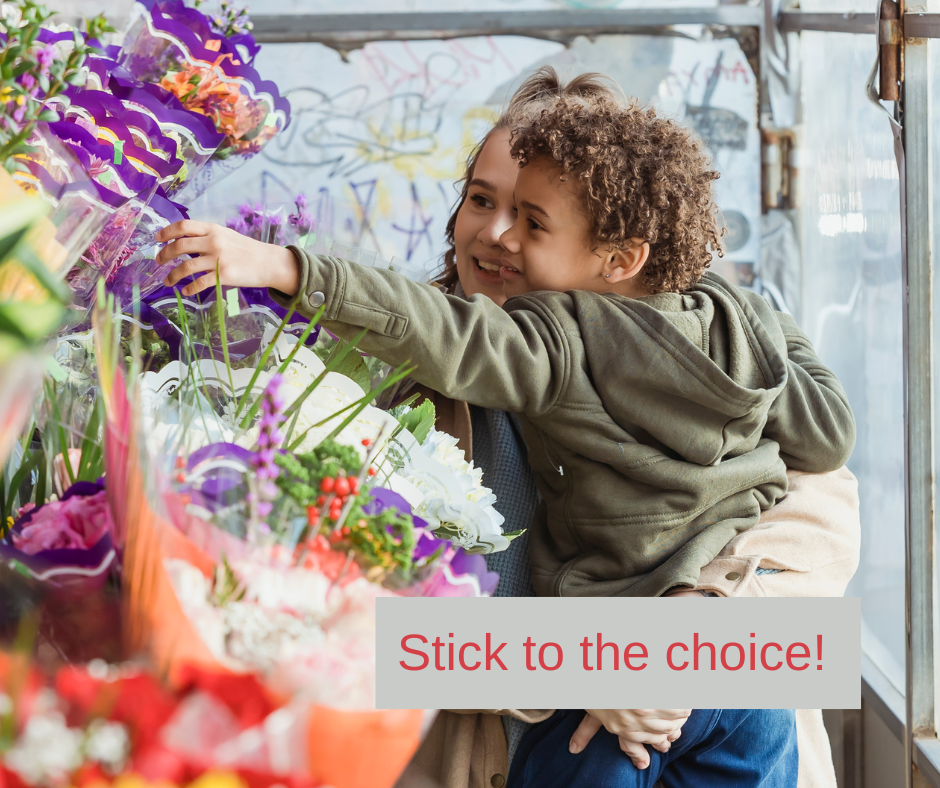
Sticking to the choice. Children need to learn that having made their choice they need to stick to it, so you need to stick to it as well.
If you want a child to do something, don’t say ‘Would you like to…?’ This is a turn of phrase adults use politely to get another adult to fall in line with what they want to have happen. But children take conversations literally and see this as a real choice. You are not respecting the child’s opinion if you offer a choice that isn’t a real choice. In fact, using the question, ‘Would you like to…?’ to a child is often counter-productive, because you are actually giving them the chance to say, ‘No!’ and then, in order to get them to do what you want, you have to over-ride the choice they just made.
Don’t expect children to make adult decisions! An extreme example is what one mother said to her three-year old at the end of a visit to Seedlings: ‘You can choose. Which nursery would you like to go to, this one, or the one we went to last Friday?’ The mother genuinely wanted to give her child the opportunity to choose, but failed to understand that whatever answer he gave would be inappropriate because the question was inappropriate. This needed to be an adult choice, because a three-year old is intellectually unable to give any kind of meaningful answer to this abstract question, with so many aspects to be considered.